
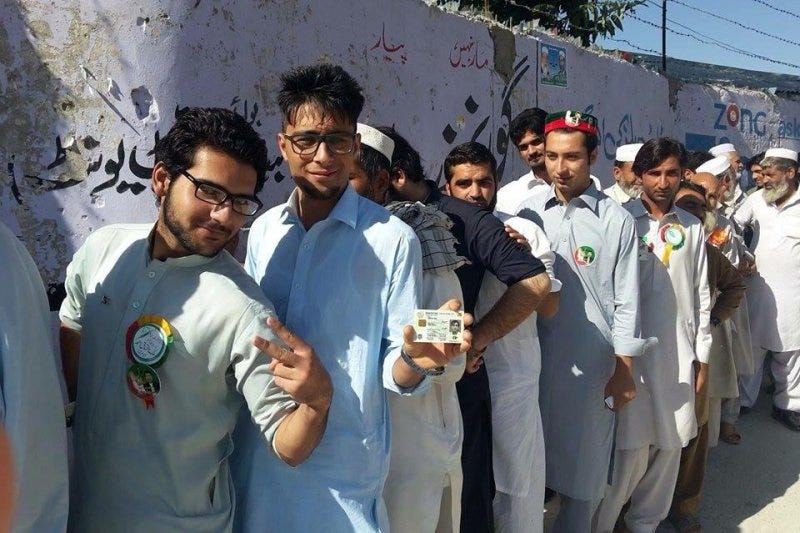
ISLAMABAD — A debate in Pakistan over proposals to remove citizens aged 18 to 25 from the voters’ rolls is being viewed by critics and political analysts as part of a broader effort by the country’s military establishment to push former prime minister Imran Khan out of the political landscape.
The proposal, which has surfaced amid Khan’s continued incarceration and legal challenges, has triggered concern among opposition figures who argue that restricting younger voters would disproportionately weaken Khan’s electoral base, which has historically drawn strong support from younger demographics.
Age-wise data from the Election Commission of Pakistan (ECP) suggests that excluding voters aged 18 to 25 would remove around 24.7 million voters from the electoral process. At the time the data was compiled roughly a year ago, Pakistan had about 130.1 million registered voters — a figure that has since increased by approximately 6 million.
According to the same data, voters aged between 18 and 45 made up around 87 million, or about 67% of the electorate. Even if the 18–25 age group were excluded, the remaining electorate would still total approximately 103.5 million voters.
Of those, voters aged 26 to 45 would number around 62.3 million, accounting for about 60% of the remaining voters, while those aged 46 and above would make up roughly 40%.
Analysts say the figures show that removing younger voters would not fundamentally alter the dominance of younger and middle-aged voters in Pakistan’s elections. Instead, they argue, such a move would primarily serve political objectives rather than electoral reform.
Opposition voices contend that the discussion fits into a wider pattern of measures — including legal cases, party restrictions, and limitations on campaigning — aimed at marginalising Khan and his party ahead of future elections.
The military establishment denies involvement in politics and says it supports the constitutional process. Government officials have not publicly endorsed any proposal to amend voting eligibility.
Critics, however, argue that even if younger voters were excluded, disputes over election management and result compilation would persist, raising further questions about the credibility of the electoral process.