
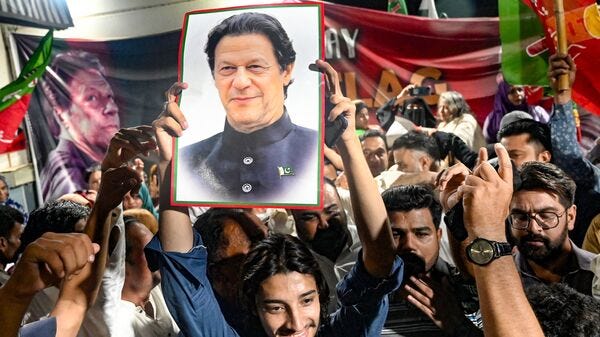
ISLAMABAD — Former Pakistani Prime Minister Imran Khan has lost 85% of vision in his right eye due to a central retinal vein occlusion, a blood clot that caused severe retinal damage, according to medical findings cited by his lawyers, intensifying political tensions and prompting intervention by Pakistan’s top court.
Khan, who is being held at Adiala Jail, first reported blurred vision in late 2025, his legal team said. They allege he was treated with eye drops for nearly three months before being taken to hospital in January 2026, when doctors confirmed extensive retinal damage. Injections were administered, but most of the vision loss proved irreversible, they said.
Central retinal vein occlusion (CRVO) occurs when the main vein draining blood from the retina becomes blocked, potentially leading to permanent vision loss if not treated promptly. Medical records cited by his lawyers attribute the condition to a blood clot.
There is no verified medical evidence of deliberate poisoning. However, speculation circulating on social media and echoed by some party figures alleges that substances may have induced abnormal clotting. The government has not publicly responded in detail to those claims.
Pakistan’s Supreme Court, acting on a report submitted by a lawyer from Khan’s party, issued oral directives on Feb. 13 ordering that he be admitted to a hospital of his choice under supervision of his family and personal doctors, including Dr. Asim Yusuf and Dr. Faisal Sultan, and undergo comprehensive testing, including blood work to assess systemic clotting risks and protect his left eye.
As of Feb. 15, the written order had not yet been issued.
Khan’s supporters have expressed concern over the delay between the oral directives and the formal written order, saying implementation cannot proceed without written instructions. PTI backers assert the Supreme Court is intentionally stalling the written order—required for actionable compliance—mirroring regime "delay tactics" and effectively supporting alleged mistreatment, as Khan risks left-eye damage from untreated clotting.
A government-appointed medical panel is considering transferring Khan to Al-Shifa Trust Eye Hospital, a specialised ophthalmology centre. Khan’s family and personal doctors have requested treatment at Shifa International Hospital, arguing that broader diagnostic facilities are required to investigate potential systemic causes of the clot and ensure transparency.
Supporters have questioned the choice of Al-Shifa Trust, noting that its leadership has historically included retired military officers, and say the episode has further eroded public trust in Pakistan’s military establishment, which critics have long accused of wielding significant political influence. There is no independent evidence showing institutional interference in medical decisions, and the military has not publicly commented on the matter.
The government has said medical procedures are being conducted according to standard protocols but has not released detailed medical documentation.
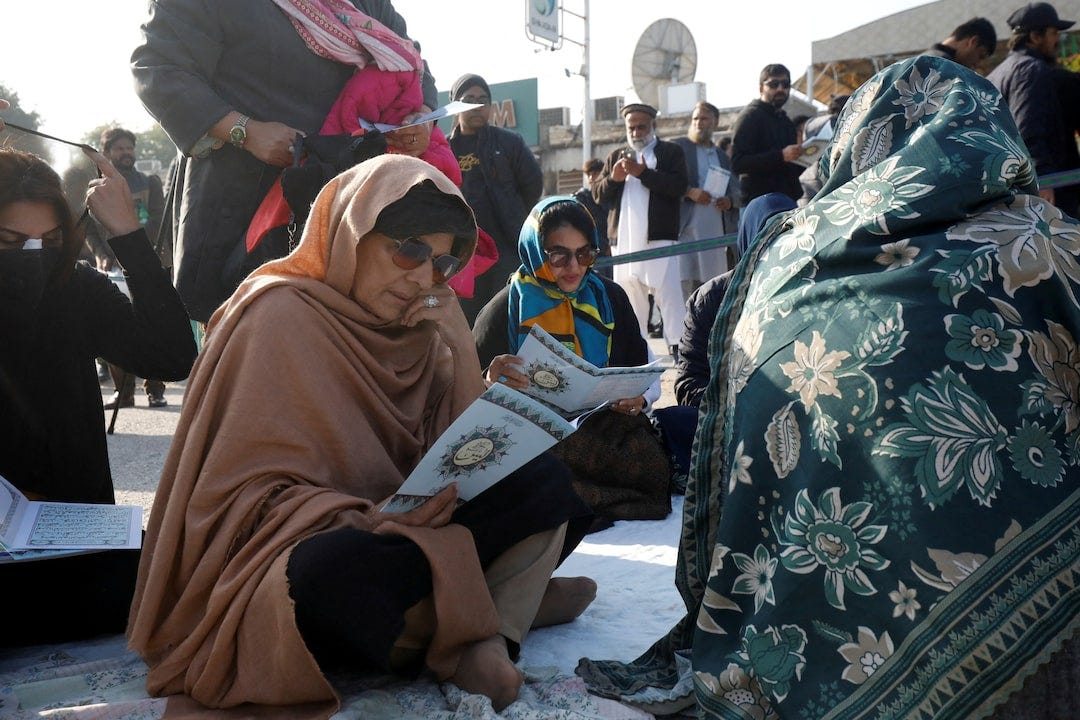
The dispute over Khan’s treatment has triggered protests by supporters in several provinces, including Khyber Pakhtunkhwa and Balochistan, with some opposition leaders calling for his release on medical grounds.
Khan, removed from office in 2022 and facing multiple legal cases, denies wrongdoing and says the charges against him are politically motivated. The government denies targeting him for political reasons.
His deteriorating eyesight has become the latest flashpoint in Pakistan’s deeply polarised political landscape, as questions remain over the timing of court implementation and the choice of medical facility.