
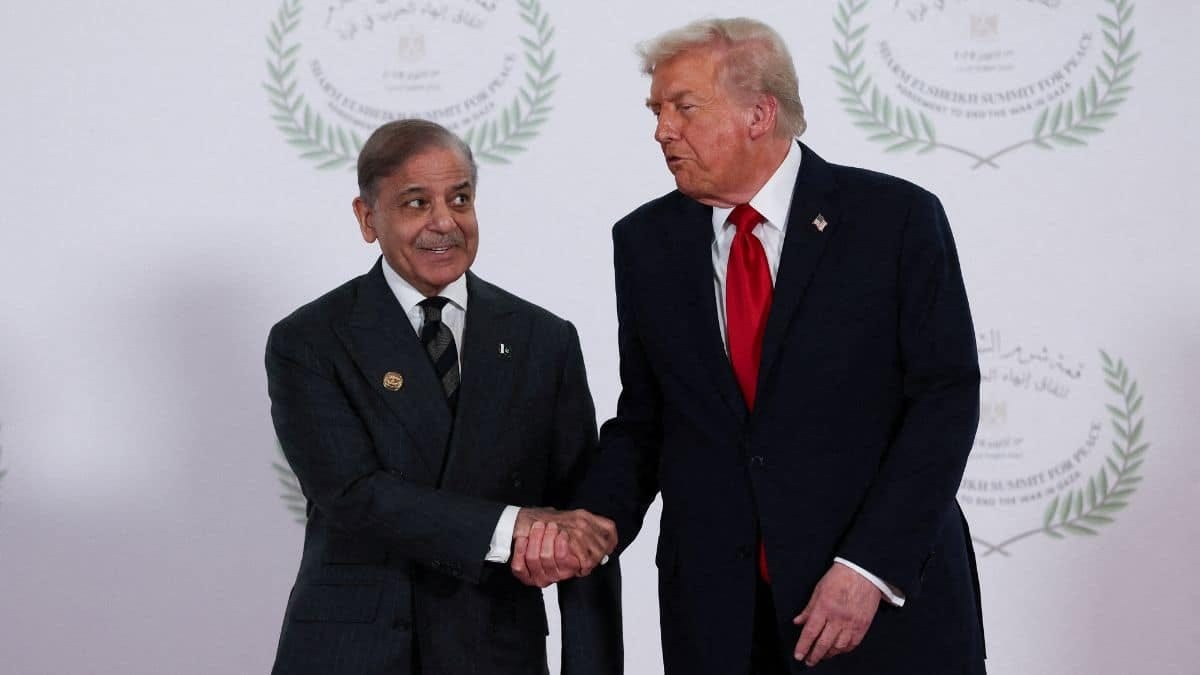
ISLAMABAD — Pakistan has emerged as a central diplomatic facilitator in high-stakes negotiations between the United States and Iran, as global attention turns to fragile ceasefire efforts amid escalating tensions in the Middle East.
The talks, which follow a provisional ceasefire agreement, aim to prevent further regional escalation, with Islamabad positioning itself as a facilitator between long-standing adversaries.
At the same time, Pakistan’s main opposition party, Pakistan Tehreek-e-Insaf (PTI), has voiced support for the diplomatic initiative while sharply criticizing the government’s domestic record—particularly the continued imprisonment of former Prime Minister Imran Khan. Party leaders have raised concerns over his deteriorating health, limited access to medical care, prolonged legal proceedings pending since 2025, and conditions of near-isolation in detention.
PTI Supports Talks, Calls for Dialogue Over Conflict
In a statement issued by jailed party leaders, PTI welcomed Pakistan’s role in facilitating dialogue between Washington and Tehran, describing it as a “responsible step” toward regional stability.
The party reiterated that engagement through negotiations—rather than military confrontation—reflects the long-standing political philosophy of Imran Khan, who has consistently advocated diplomatic solutions to international conflicts.
PTI also signaled its support by scaling back political mobilization, emphasizing that peace efforts should be given space to succeed.
Iran Sets Conditions as U.S. Issues Warnings
Despite cautious optimism, negotiations remain under strain. Iran has linked its participation to key preconditions, including a sustained ceasefire in Lebanon and broader guarantees tied to regional security and sanctions relief.
Meanwhile, U.S. Vice President JD Vance, who is leading the American delegation to Islamabad, issued a stern warning ahead of the talks, signaling that Washington would not tolerate bad-faith negotiations.
President Donald Trump also adopted a hardline tone, underscoring the pressure-based approach accompanying the diplomatic push.
Domestic Tensions: Imran Khan’s Detention in Focus
While endorsing Pakistan’s international diplomacy, PTI leaders questioned the government’s handling of domestic political issues, particularly the continued incarceration of Imran Khan.
Khan, who has been imprisoned since 2023 following multiple legal cases, remains a central figure in Pakistan’s polarized political landscape.
Party leaders have raised concerns over:
Restricted access to legal counsel and family
Health issues, including reported vision impairment
Allegations of solitary confinement
They have called for his transfer to a medical facility and demanded improved prison conditions, framing the issue as one of fundamental rights.
Protests and Arrests Highlight Political Strains
Tensions have also surfaced on the streets. In Karachi, PTI-linked protests against rising inflation have led to arrests of party activists and leaders, underscoring the widening gap between the government and opposition.
Political observers note that such developments risk undermining the very stability Pakistan seeks to project on the global stage as a mediator.
A Dual Test for Pakistan
Pakistan’s role in mediating U.S.–Iran tensions represents a significant diplomatic opportunity, potentially elevating its global standing.
However, analysts suggest that the country faces a dual challenge:
Managing complex international negotiations
Addressing internal political instability
Whether Islamabad can balance both will likely shape not only the outcome of the current talks but also its broader credibility on the world stage.